
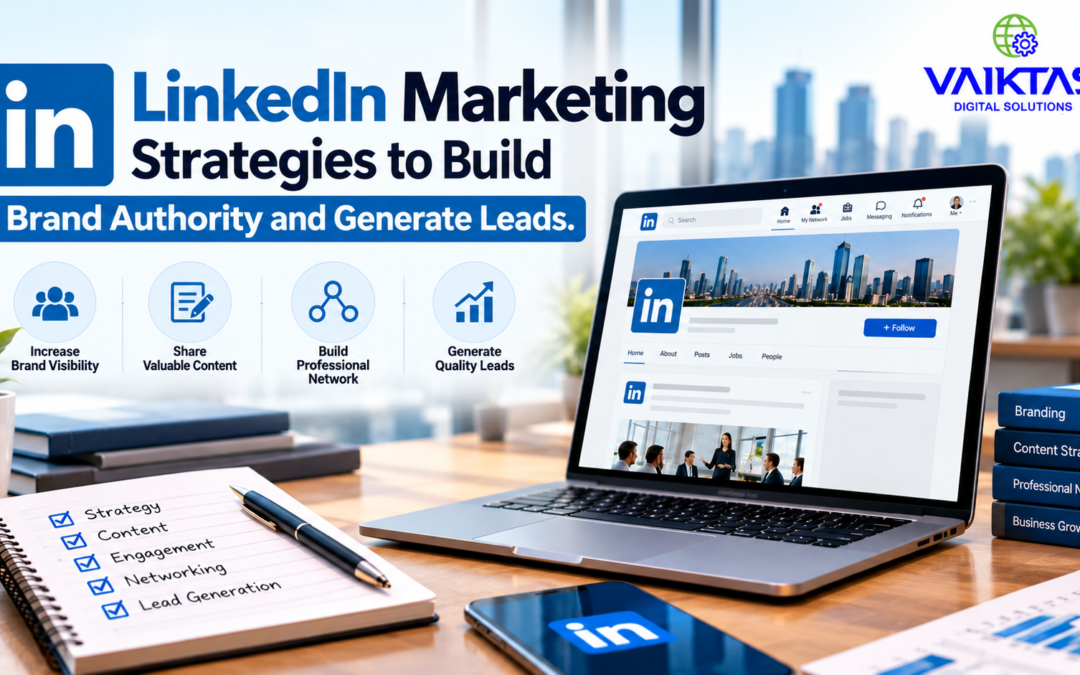
LinkedIn marketing helps businesses build brand authority, connect with professionals, and generate relevant business opportunities. By sharing useful content, participating in industry discussions, and maintaining a consistent presence, companies can develop trust with their target audience. A well-planned strategy helps businesses reach decision-makers and create meaningful professional relationships.
Why LinkedIn Marketing Matters for Businesses
LinkedIn is a professional networking platform where businesses can showcase their expertise, communicate with potential customers, and strengthen their industry reputation. Unlike platforms focused primarily on entertainment, LinkedIn supports professional conversations, business networking, and knowledge sharing.
Companies can use the platform to increase brand visibility, attract relevant audiences, and establish credibility within their industries.
1. Optimise Your LinkedIn Company Page
Your company page often creates the first impression for potential customers. Use a clear company description that explains your services, target audience, and business value.
Include a professional logo, an appropriate cover image, relevant industry information, and accurate contact details. Use natural industry keywords in your description so visitors can quickly understand what your business offers.
2. Create Valuable LinkedIn Content
Useful content helps businesses demonstrate their knowledge and build audience trust. Instead of publishing only promotional messages, share information that answers common customer questions.
Consider publishing:
- Industry insights and expert opinions
- Practical tips and educational posts
- Case studies and project experiences
- Infographics and short videos
- Answers to frequently asked questions
A balanced content strategy gives your audience a reason to follow your page and engage with future updates.
3. Use LinkedIn Marketing to Reach the Right Audience
Effective LinkedIn marketing begins with understanding your ideal audience. Identify the industries, professional roles, business sizes, and challenges that relate to your products or services.
Create content that addresses those specific needs. For example, a business serving small companies could publish practical guides about productivity, customer management, or operational efficiency.
For paid campaigns, LinkedIn’s advertising tools can help eligible businesses target audiences using professional attributes. Review campaign objectives, audience settings, and performance before increasing advertising budgets.
4. Encourage Employee Advocacy
Employees can help expand a company’s professional reach by sharing their knowledge and participating in relevant conversations. Encourage team members to share genuine workplace insights, industry lessons, and company achievements.
Employee participation should remain voluntary and authentic. Meaningful contributions are more valuable than repetitive promotional messages.
5. Build Relationships Through Engagement
Publishing content is only one part of a successful strategy. Respond to comments, answer questions, and participate in discussions relevant to your industry.
Follow relevant organisations and connect with professionals when there is a genuine reason to build a relationship. Avoid sending repetitive sales messages to new connections.
Consistent, helpful engagement can strengthen professional relationships over time.
6. Maintain a Consistent Publishing Schedule
A content calendar helps businesses plan topics, maintain consistency, and avoid publishing the same ideas repeatedly.
Start with a realistic schedule based on your team’s resources. Monitor which topics receive meaningful engagement, then adjust your calendar according to audience interests and business goals.
Consistency is more useful than publishing large quantities of content without a clear purpose.
7. Measure LinkedIn Marketing Performance
Track performance regularly to understand whether your activities are supporting business objectives. Useful metrics include:
- Post impressions and audience reach
- Engagement rate and meaningful comments
- Company page visits and follower growth
- Website referral traffic
- Enquiries and qualified leads
- Advertising conversions, where applicable
Use these results to identify successful content formats, improve audience targeting, and refine future campaigns.
Conclusion
LinkedIn marketing can help businesses strengthen their professional reputation, share expertise, and build relationships with potential customers. By optimising the company page, publishing valuable content, engaging with relevant professionals, and measuring results, businesses can develop a more effective presence on the platform.
The key is to focus on providing value consistently rather than relying entirely on promotional posts. A clear strategy and regular performance reviews can help turn professional visibility into meaningful business opportunities.