For businesses operating in a competitive market, managing customer relationships efficiently is essential for long-term growth. Companies need to keep track of leads, customer conversations, sales opportunities, follow-ups, and important business information while ensuring that their teams can access the right data when they need it.
This is where Customer Relationship Management (CRM) software can make a significant difference. Instead of maintaining customer information across spreadsheets, emails, notebooks, and multiple applications, businesses can organize their information in one centralized system.
For organizations looking for a suitable CRM solution, a well-planned system can help simplify customer management, improve sales processes, and give teams better visibility into their business activities.
What Is CRM Software?
CRM software is a digital system designed to help businesses manage interactions and relationships with current and potential customers.
A CRM platform can store customer information, track leads, record communication, manage sales activities, schedule follow-ups, and provide reports. Depending on the solution, it may also include automation, task management, customer support, analytics, and other business features.
Instead of relying on disconnected sources of information, teams can use a centralized system to manage customer-related activities.
Why CRM Is Important for Chennai Businesses
Chennai has a diverse business environment that includes startups, small businesses, service providers, manufacturers, technology companies, retailers, and established enterprises.
As businesses grow, manually managing customer information can become increasingly difficult. Sales representatives may handle multiple leads simultaneously, while managers need to understand the progress of different opportunities.
A CRM system can bring these activities into a structured workflow. This can help businesses reduce information gaps and give employees a clearer view of customer interactions.
Centralizing Customer Information
One of the main advantages of CRM software is centralized customer data.
Without a CRM system, information may be distributed across spreadsheets, email conversations, messaging applications, documents, and individual employee records. This can make it difficult to find the latest information about a customer.
A centralized CRM allows authorized team members to access customer information from one location. Details such as contact information, previous interactions, lead status, notes, and sales activities can be organized systematically.
This can make customer management more efficient and reduce the time employees spend searching for information.
Improving Lead Management
Leads are important for businesses that depend on a continuous sales pipeline. However, collecting leads is only one part of the process. Businesses also need to qualify, follow up, and manage them effectively.
CRM software can help teams organize leads according to their status or stage in the sales process.
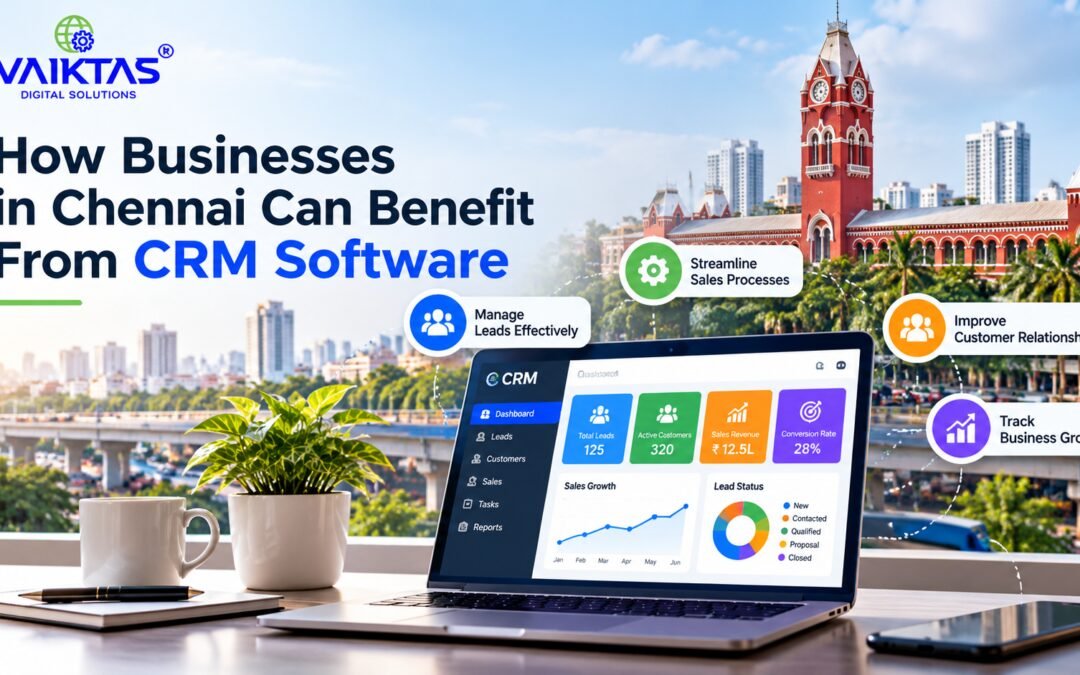
For example, leads can be categorized as new, contacted, qualified, proposal sent, negotiation, or converted. This provides sales teams with a clearer understanding of where each opportunity stands.
A structured lead management process can also reduce the possibility of leads being overlooked.
Better Follow-Up Management
Following up with customers at the right time can be challenging when teams rely on memory or manually maintained spreadsheets.
CRM software can help businesses organize follow-up activities by recording tasks, reminders, scheduled communications, and customer interactions.
Sales representatives can see which customers require attention and which activities have already been completed.
This can create a more organized follow-up process and help teams maintain consistent communication with prospects and customers.
Supporting Sales Teams
Sales teams often manage multiple opportunities at different stages. Without an organized system, it can become difficult to understand which opportunities require immediate attention.
CRM software can provide sales teams with a structured view of their pipeline.
Managers can monitor sales activities, review opportunity stages, and identify areas where additional attention may be required. Sales representatives can also maintain records of customer conversations and related activities.
This creates greater visibility into the sales process.
Improving Customer Communication
Customer communication can involve multiple interactions over an extended period.
A CRM system can maintain records of previous conversations, requirements, inquiries, and other relevant information. When employees have access to this history, they can better understand the context of a customer’s request.
This can be particularly useful when multiple team members communicate with the same customer.
Instead of asking customers to repeatedly provide the same information, employees can refer to the available records and continue the conversation with greater context.
Automating Repetitive Tasks
Businesses often spend significant time on repetitive administrative activities.
Depending on the CRM platform, certain tasks can be automated. These may include reminders, lead assignments, notifications, follow-up tasks, email workflows, and other routine activities.
Automation can reduce manual work and allow employees to spend more time on activities that require personal interaction and decision-making.
However, automation should support the customer experience rather than replace meaningful communication.
Making Data-Driven Decisions
Business decisions are easier to evaluate when reliable information is available.
CRM systems can provide reports and dashboards that show information about leads, sales activities, customer interactions, and other business processes.
Managers can use these insights to understand trends and identify areas that may require improvement.
For example, a business may discover that a large number of leads are being generated but only a small percentage are progressing to the next stage. This could encourage the team to examine lead qualification or follow-up processes.
Helping Small and Growing Businesses
CRM software is not limited to large organizations.
Small and growing businesses can also benefit from organizing their customer information from an early stage. As the number of customers and leads increases, having a structured system can make growth easier to manage.
A suitable CRM solution can help small teams coordinate customer information without requiring a large administrative process.
The important consideration is choosing a solution that matches the organization’s size, workflow, budget, and future requirements.
Improving Team Collaboration
Customer management is often a team effort. Sales, marketing, customer support, and management teams may all interact with customer information.
A centralized CRM system can help different teams access relevant information according to their roles and permissions.
For example, a sales representative may update the status of an opportunity, while a manager can review the overall pipeline. Customer support teams can also refer to relevant customer records when handling inquiries.
Better information sharing can reduce communication gaps between departments.
What to Consider When Choosing CRM Software
Businesses should evaluate their requirements before selecting a CRM platform.
Important factors can include:
- Ease of use
- Lead management features
- Contact management
- Sales pipeline management
- Task and follow-up management
- Reporting and analytics
- Automation capabilities
- Integration with other business tools
- User access and permissions
- Data security
- Scalability
- Customer support
A CRM system should fit the way a business operates rather than forcing employees to completely change their workflow unnecessarily.
The Long-Term Value of CRM
CRM software should not be viewed simply as another software subscription. Its value depends on how effectively a business uses it and how well it supports the organization’s long-term goals.
For businesses considering CRM software in Chennai, the long-term benefits can include better customer data management, more organized sales processes, improved follow-up, and greater visibility into customer interactions.
Employees need appropriate training, data should be maintained accurately, and processes should be reviewed regularly. When CRM information is kept up to date, businesses can build a more reliable source of customer and sales information.
Over time, this can help organizations understand customer behavior, improve internal processes, identify sales opportunities, and create more organized approaches to relationship management.
Conclusion
CRM software can help Chennai businesses manage customer information, organize leads, improve follow-ups, support sales teams, and make better use of business data.
As organizations grow, managing customer relationships through disconnected spreadsheets and manual processes can become increasingly difficult. A centralized CRM system provides businesses with a structured way to manage customer-related activities.
The right solution depends on each organization’s specific requirements, team size, workflow, and growth plans. By choosing a CRM system that fits their needs and using it consistently, businesses can create more organized customer management processes and build stronger relationships over time.